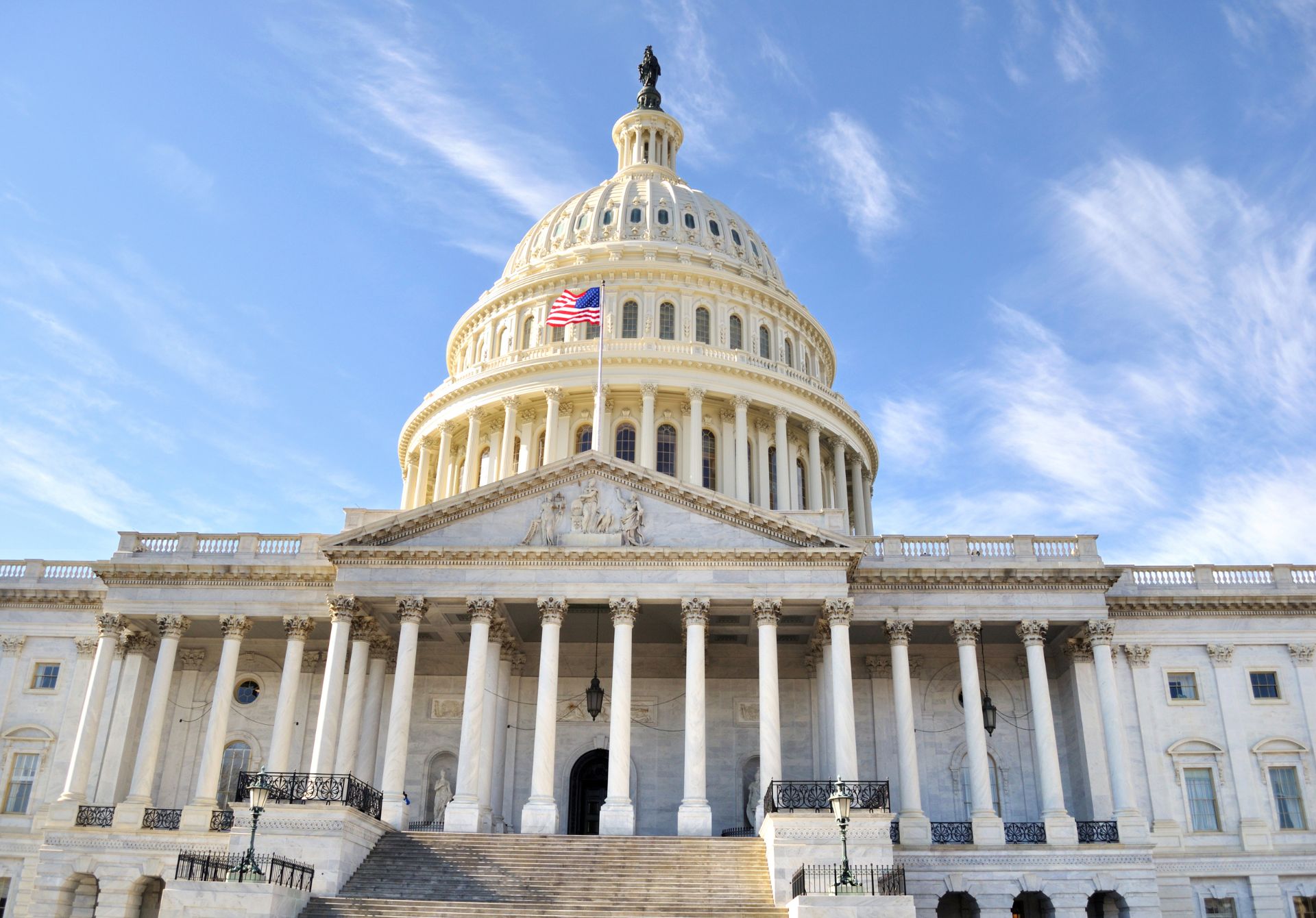
The United States Capitol Building, situated in the heart of Washington, D.C., is a magnificent architectural marvel that stands as a symbol of American democracy. This iconic structure, home to the legislative branch of the federal government, has witnessed the ebb and flow of the nation’s history, serving as a backdrop for pivotal events that have shaped the course of the United States.
A Brief History of the Capitol Building
The construction of the Capitol Building began in 1793, under the supervision of Pierre L’Enfant, the architect responsible for the overall design of Washington, D.C. The building’s design, inspired by ancient Roman and Greek architecture, reflects the young nation’s aspirations to emulate the grandeur of classical civilizations.
Over the course of two centuries, the Capitol Building has undergone several expansions and renovations, each adding to its architectural and historical significance. The iconic dome, designed by architect Thomas U. Walter, was completed in 1866, standing as a testament to the resilience and determination of the American people.
The Capitol’s Symbolic Significance
The Capitol Building’s architectural features and symbolism have long been a source of fascination for visitors and residents alike. The building’s striking silhouette, with its imposing dome and neoclassical columns, has become an integral part of the Washington, D.C. skyline, serving as a constant reminder of the democratic ideals that the nation was founded upon.
The Capitol’s interior is equally impressive, with its intricate murals, sculptures, and paintings that depict key moments in American history. The National Statuary Hall, for instance, features statues of notable Americans, each representing the unique cultural and historical contributions of their respective states.
The Capitol’s Role in American Politics
The Capitol Building’s primary function is to serve as the meeting place for the United States Congress, comprising the Senate and the House of Representatives. Within its halls, lawmakers debate and enact legislation that shape the nation’s policies, laws, and priorities.
The building’s significance extends beyond its political role, as it also hosts various public events and ceremonies, including the inauguration of the President of the United States. These events, witnessed by millions around the world, reinforce the Capitol’s status as a global symbol of American democracy.
The United States Capitol Building stands as a testament to the nation’s enduring democratic values and the resilience of its people. From its humble beginnings to its current grandeur, the Capitol has weathered the storms of history, serving as a constant reminder of the principles that guided the Founding Fathers and continue to inspire generations of Americans.
As a living monument to the nation’s past and a symbol of its future, the Capitol Building remains a must-see destination for visitors from around the world, offering a glimpse into the rich tapestry of American history and the ongoing pursuit of democratic ideals.